Media Buying

Emerging AI-driven discovery tools are reshaping the enrollment journey, requiring institutions to adapt how they engage and measure prospective students.
Digital Media
Leveraging AI as a Gateway: Elevating School Visibility Beyond the Norm

Executive SummaryAI-driven discovery is compressing the enrollment journey. Prospective students are making decisions earlier, often without triggering traditional analytics signals. This shift is not reducing demand — it is accelerating consideration beyond the reach of legacy attribution models. Institutions that adapt will rethink sequencing, prioritize clarity at discovery, and design for continuity across fewer, faster decision moments. Enrollment marketing hasn’t stalled — it has shifted. As Answer Engine Optimization (AEO) continues to roll out unevenly, higher education institutions are encountering a new dynamic that traditional dashboards struggle to explain. Demand feels real, yet traffic appears softer. Attribution is weaker. Conversion timing is less predictable. The issue is not declining interest. It’s a fundamental change in how discovery now happens. AI-driven platforms increasingly deliver complete, synthesized answers directly within the interface. For prospective students, this often removes the need to click through to a website during early consideration. The result is a zero-click discovery environment where traditional rankings, sessions, and first-touch metrics no longer capture the full enrollment journey. What Changed Isn’t Interest — It’s Discovery Historically, enrollment funnels were built around visible signals: search to site visit, site visit to inquiry, inquiry to application. AI disrupts this model by resolving curiosity earlier in the process. A student may ask, “Which programs are best for X?” receive a detailed response, feel informed, and pause without taking an immediate next step. From the institution’s perspective, nothing appears to happen. There is no session, no form fill, no measurable interaction. Yet discovery occurred, consideration began, and a decision path was initiated. This is not lost demand. It is compressed consideration — faster decision-making with fewer trackable steps. Why Attribution Now Feels Broken As discovery moves upstream, attribution becomes fragmented. Traditional analytics systems were designed to measure behavior after a click, not before one. When AI answers satisfy early-stage questions, the first measurable interaction may occur much later — or not at all if a decision is made after limited reinforcement. This creates the perception that enrollment performance is declining, when in reality the decision cycle has accelerated beyond the boundaries of conventional tracking. Institutions are left reconciling outcomes with incomplete data, often optimizing toward signals that no longer represent the full journey. A Sequencing Challenge, Not a Channel Problem At DCW Media, we view this shift less as a channel disruption and more as a sequencing challenge. The tactics themselves are familiar. What has changed is the order in which they matter. Our working hypothesis is that enrollment performance in an AI-driven discovery environment depends on aligning strategy with how decisions now form — not how funnels were historically tracked. The sequence centers on establishing clarity at the moment of discovery, maintaining presence after curiosity is satisfied, and reinforcing relevance once students move from question to comparison. The differentiation is not the tools used, but the cadence with which visibility and engagement are sustained across short decision windows. Designing for Faster Decisions with Fewer Signals As AI accelerates discovery, institutions must adapt to an environment where decisions are made with less friction and fewer observable steps. This requires rethinking how programs are articulated, how outcomes are communicated, and how credibility is reinforced beyond the first moment of clarity. Success in this model is not driven by volume or interruption. It is driven by coherence, credibility, and continuity. Schools that remain understandable and recognizable throughout the consideration period are better positioned to capture enrollment momentum — even when attribution is incomplete. What Comes Next The next phase for enrollment marketing is disciplined testing and recalibration. Rather than optimizing solely for early-stage metrics, institutions should evaluate performance across downstream outcomes — inquiries, applications, and starts — while acknowledging that the earliest stages of discovery may no longer be fully visible. AEO isn’t broken. It’s incomplete when treated in isolation. The opportunity lies in adapting strategy to match how discovery, consideration, and decision-making now occur — upstream, faster, and with fewer trackable steps.

Digital Media
The Future of Digital Advertising: AI, TikTok Search Ads & Data-Driven Media Buying

The convergence of AI, innovative ad formats, and platform expansions is ushering in a new era of media buying. To remain competitive, advertisers should proactively experiment with emerging technologies like TikTok’s search ads and Microsoft’s Audience DSP. By embracing these advancements, marketing professionals can future proof their strategies and achieve superior outcomes in the evolving digital landscape. Embracing new technologies and evolving consumer behaviors, driven by advancements in artificial intelligence (AI), innovative search platforms, and data-centric strategies.  Staying ahead of these trends is crucial to optimize ad spend and achieve higher returns on investment (ROI). Our latest campaign with Jovia Credit Union harnesses AI-driven advertising, TikTok Search Ads, and data-driven strategies to enhance ad performance. This case study showcases real-world success stories of brands optimizing media buying for higher engagement and ROI—read more here. Pinterest’s “Moments” Advertising Strategy: Unlocking Consumer Intent Pinterest has emerged as a potent yet underutilized platform for reaching e-commerce and high-intent audiences. The introduction of the “Moments” guide enables advertisers to target users based on seasonal events and life milestones, aligning ads with specific consumer intents. This approach leverages zero-party data, as users actively curate boards that reflect their interests and upcoming plans, offering rich opportunities for personalized marketing. Additionally, AI-powered trend analysis tools can assess Pinterest search patterns, allowing for optimized ad placements that resonate with current user interests. Brands that have embraced Pinterest’s unique format have reported increased engagement and conversion rates, highlighting its potential as a valuable advertising channel. AI’s Growing Influence in Social Media Marketing Beyond the buzzwords, AI is making tangible impacts on social media advertising. One significant application is AI-powered ad personalization, which enables hyper-segmentation and real-time audience engagement. By analyzing user data, AI can deliver tailored content that resonates with individual preferences, enhancing the effectiveness of ad campaigns. Moreover, AI-driven content creation tools, such as generative AI models, are facilitating the production of engaging content, including AI-generated videos and influencer partnerships. Dynamic Creative Optimization (DCO) further utilizes AI to autonomously test and refine ad creatives, ensuring maximum engagement and conversions by adapting content to audience responses in real-time. TikTok’s Search Ads: A Game Changer for the Future of Advertising TikTok is redefining the digital advertising model by introducing search ads, positioning itself as a competitor to traditional search engines like Google and YouTube. This development requires advertisers to adapt their strategies to cater to short-form, search-driven content. Notably, Gen Z users are increasingly using TikTok as a search engine, influenced by its AI-enhanced discoverability features. Early adopters of TikTok’s search ads have reported significant success, capitalizing on the platform’s unique approach to content discovery and user engagement. Microsoft Audience DSP and LinkedIn Targeting: Beyond B2B Advertising LinkedIn’s precise targeting capabilities are now being extended beyond its platform through the Microsoft Audience Network. This integration allows advertisers to leverage LinkedIn’s granular audience data across various ad formats, including display, video, and native ads, within the Microsoft ecosystem. Industries such as HVAC, SaaS, and financial services can benefit from this approach by reaching highly targeted audiences with tailored messaging, thereby enhancing the effectiveness of their advertising campaigns. With access to the latest media technology, DCW develops cutting-edge strategies that optimize media buying and maximize ROI for our clients.

Digital Media
Synergy in Action: Google Performance Max and People-Based Marketing, the Future of Media Buying

Google Performance Max is revolutionizing the media buying landscape with its cutting-edge combination of automation, data-driven insights, and advanced machine learning algorithms. By seamlessly integrating with People-Based Display/Video, Google Performance Max opens up a world of opportunities for advertisers to create hyper-targeted campaigns, enhance audience engagement, and achieve an improved return on investment (ROI).

Digital Media
Advanced Marketing Technologies in Higher Education 2024 Series…

The use of Artificial Intelligence (AI) and Machine Learning in higher education marketing has proven to be highly effective. By analyzing vast amounts of data on individual students, AI enables the creation of personalized marketing campaigns, resulting in higher conversion rates. Automating repetitive tasks, such as handling inquiries from prospective students, allows marketing teams to focus on more strategic initiatives. AI also provides valuable insights into student behavior, allowing institutions to make informed decisions on marketing campaigns. The integration of AI and automation is set to dramatically transform the realm of higher education marketing in 2023, leading to more targeted and efficient marketing plans and improved outcomes. A case study demonstrates the successful use of AI and machine learning in the education sector. By delving into the in-depth case study presented in this article, readers can gain a comprehensive understanding of the impact and benefits of incorporating AI and machine learning into higher education marketing strategies.

Digital Media
OTT Advertising: Key Trends for 2023

In the world of advertising, OTT (over-the-top) refers to the delivery of television content over the internet without the need for a cable or satellite subscription. As we look ahead to 2023, there are several key trends that we can expect to see in OTT advertising. One trend is the use of interactive and immersive ad formats, such as interactive video and augmented reality, which provide a more engaging experience for viewers. Another trend is an increased use of data and AI in OTT advertising to create more targeted and personalized campaigns. Cross-platform measurement and attribution will also become important in 2023 as OTT advertising continues to grow. Addressable advertising will also become more prevalent, allowing advertisers to target specific households and individuals. Overall, OTT advertising will continue to shape and improve the effectiveness of advertising in 2023.

Broadcast Media
Business Expansion: Leveraging Tailored Marketing Tactics for Growth and Profitability Objectives…

Companies seeking to expand their business may find that tailored marketing tactics are crucial for achieving their goals. Market research, customer segmentation, target marketing, branding, ‘marketing mix methods’ (product, price, promotion, and place), and SWOT analysis can help ensure that limited resources are directed appropriately. This will enable businesses to achieve their growth and profitability objectives by reaching the right customers with the right message. Companies should bridge development and marketing activities through careful planning and strategic tactics to achieve their expansion goals. Case In Point Zwanger Persiri began its journey with DCW Media in 2009 to establish the radiology group as one of Long Island’s most recognizable names for excellence in testing, ease of appointments, and patient care. To deliver results, we identified media opportunities that kept ZP Rad top of mind within the local marketplace—utilizing traditional media such as television, billboards, radio, and newspaper ads. And digital marketing strategies, including email campaigns, search engine optimization (SEO), and social media campaigns to reach their target market. Our initiative was especially successful thanks to our naming right partnership on News 12-the highest-rated network among those living on Long Island. It was an invaluable asset when it came time to set out a 360-degree marketing plan. With each new location acquisition, DCW was instrumental in utilizing market research, target demographics, and competitive analysis to promote grand opening events and product launches, allowing potential patients and medical practices to view the cutting-edge technology and care ZP brought to the community.

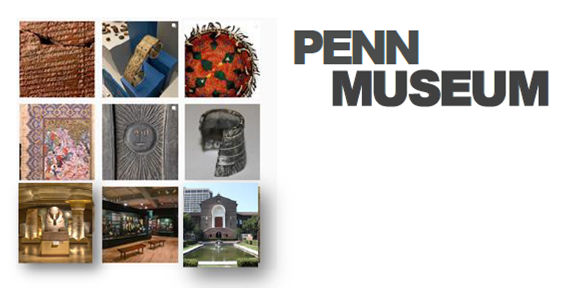
University of Pennsylvania Museum of Archaeology and Anthropology, the Penn Museum, located in Philadelphia, PA. DCW Media executed the new main entrance Hall launching in the fall of 2019 .
Digital Media
PENN Museum Case Study

A MONUMENTAL MOMENT. What happens when a 133-year old institution, renowned for ground-breaking research and stellar international collections, decides to literally dust itself off?

Broadcast Media
Marketing During #COVID-19, learning through HISTORICAL LESSONS

In marketing as in life, certainty is a scarcity, especially in today’s world. As marketers and people, if we can provide just a bit of level-headed thinking and stability, we will find that we will have a community following and cheering us on when the skies clear. And clear they will.

Media Buying
Client Watch: NSPC Brain & Spine Surgery

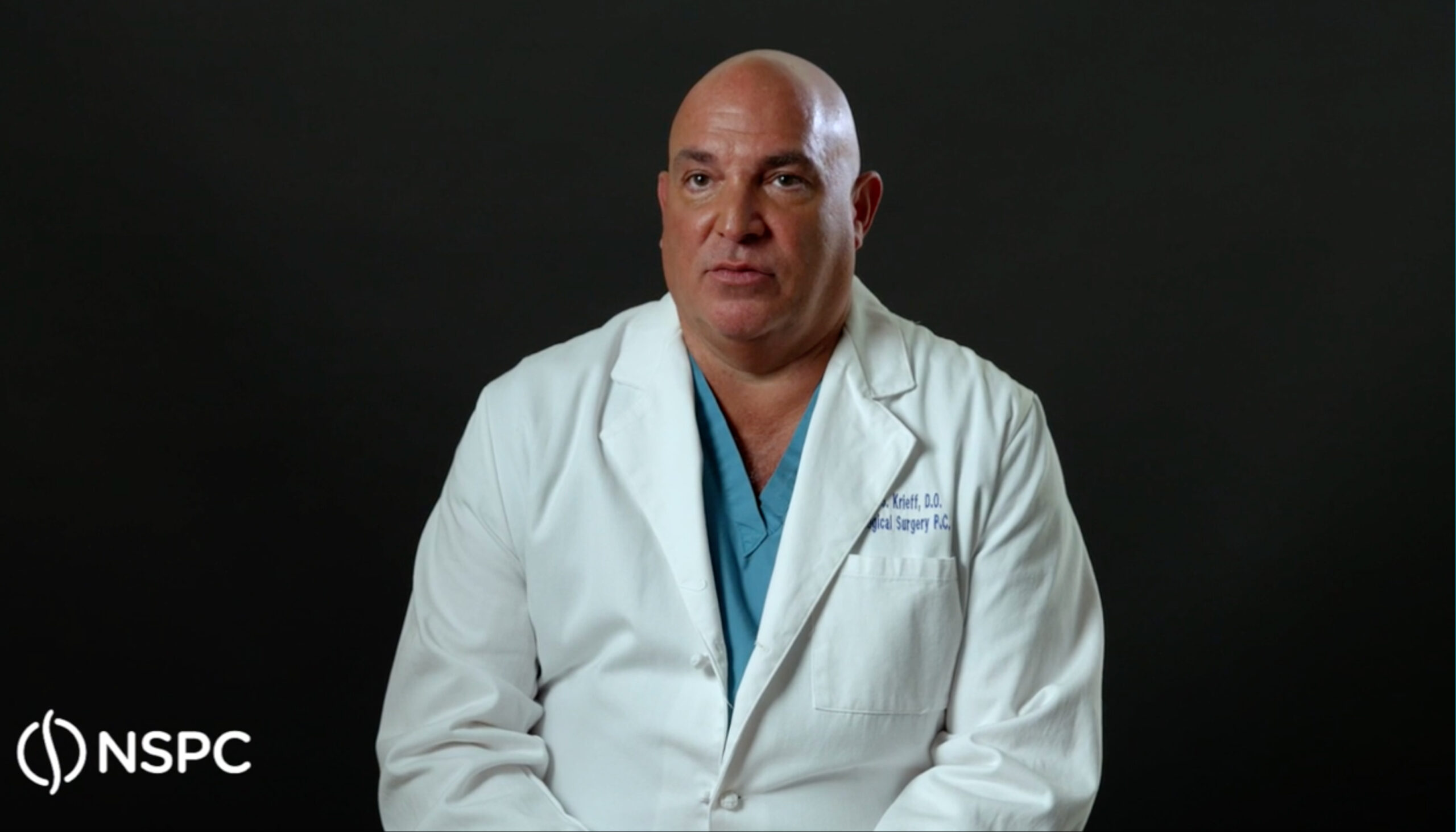
NSPC Brain & Spine Surgery 1Q2020. media campaign objective was to drive patient awareness for local availability of state of the art neurosurgical medical care.

stages of journey analyt laura bove writesics
Media Buying
Journey Analytics Provides Real-Time, Behavior-Based Analytics

Creating a connected customer journey across all touch points and channels begins with collecting information that allows us to outline the story of the consumers experience; from the first contact with the brand, product or service, to a retained consumer. The “Journey Approach” provides each customer with a personalized experience  based on their own unique preferences and individual journey. Using a variety of A.I. tactics we connect millions of data points and analyze the journeys as they happen, serving messages at the right time, on the right platform for each particular consumer. Bam! that’s target marketing on steroids! With emerging technology we are armed with data, enabling us to identify opportunities for real-time engagement based on a deep analysis of customer behavior and give you the power to identify at-risk customers before you lose their business. Connecting the dots between customer interactions and business outcomes in seconds, rather  than weeks and months keeps the media campaign fully optimized. #whosbuysyourmedia